This Means War: A Look at Conflict Photography

Yuri Kozyrev—NOOR for TIME
A journalist climbs out of the hole where toppled dictator Saddam Hussein was captured in Ad Dawr. Iraq’s defeated leader raised his arms out of his “rat hole” and said he was Saddam Hussein and that he wanted to negotiate. Iraq, December 15, 2003

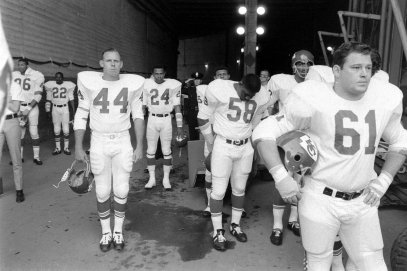
“War/Photography: Images of Armed Conflict and Its Aftermath,” is a huge, tough-minded and very moving new show at the Museum of Fine Arts, Houston. It lays out the ways cameras have been put to use during 165 years of world wars, undeclared hostilities and barely organized fang baring. Cameras turn out to be the transformer tools of warfare, adaptable as battlefield aids for reconnaissance and surveillance, as peerless instruments of propaganda and, above all, as a means to witness the atrocious facts of war. You may not be able to end war with a camera, but you can do a lot of useful things with one — even tell the truth.

Instead of being organized chronologically, the Houston show suggests that war is better considered as an eternally recurring narrative. It divides its story into chapters, from prewar buildup through postwar remembrances, with wars from all periods combined in each. The weaponry evolves from sabers to torpedoes to rocket-propelled grenades. (For the record, sharpened steel is forever.) The photo equipment changes from 19th century box cameras to cell phones and satellites. But the fundamentals of war — brutality and suffering, grief and self-sacrifice — don’t change much. They haven’t since the first time a caveman figured out how to use a rock.

The main problem for war photography today is image overload. The tidal wave of pictures all around us, with every cell phone adding to the deluge every day, threatens to make even atrocity photos into just more pictures, as morally weightless as the movie stills they so often resemble. For all that, the scores of unforgettable pictures in “War/Photography” make clear that even in a world that contains too many pictures, pictures of war, the best ones, still have the power to stir your emotions. They may not be able to compel any particular judgment about the wars they represent, but they can insist that attention must be paid. After that, if photos by themselves can’t stop war — and they can’t — then the fault is not in our pictures but in ourselves.

(MORE: Read more of Richard Lacayo’s take on the show.)


WAR/PHOTOGRAPHY: Images of Armed Conflict and Its Aftermath is on view at the Museum of Fine Arts, Houston until Feb. 3 and will then move to Los Angeles, Washington and Brooklyn.

Richard Lacayo is an art critic and editor-at-large at TIME.


Related Topics: , , , , , , ,

Latest Posts

Steve Ruark—AP

Honoring the Fallen: One Photographer’s Witness to 490 Dignified Transfers

Since April 2009, the Associated Press has sent a still photographer to every dignified transfer of servicemen and women killed in Iraq or Afghanistan open to the media. Most often it is freelancer Steve Ruark. To mark Memorial Day, TIME presents a gallery of the almost 500 transfers he has attended since 2009.

Read More
US-WEATHER-TORNADO

Pictures of the Week: May 17 – May 24

Saudi citizens rest after presenting Saudi Billionaire HRH Prince al Waleed bin Talal with petitions for his help at a desert camp outside of Riyadh, in Saudi Arabia, February 27, 2013.   Like many families across Saudi Arabia who are barely scraping above the poverty line each month, many poor Saudis rely on the hope of the charity of others to survive. (Credit: Lynsey Addario/ VII)

Rich Nation, Poor People: Saudi Arabia by Lynsey Addario