‘Faking It’: Old-School Photo Trickery at the Met

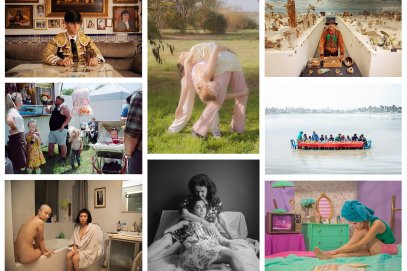
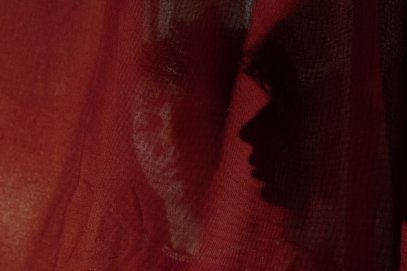
Grete Stern
Grete Stern
Dream No. 1: Electric Appliances for the Home, 1948
Grete Stern (Argentinian, born Germany, 1904-1999)

With all due respect to the Who, we will get fooled again. That’s what humans do. At one time or another, we suspend disbelief about virtually everything. And why not? As social creatures, we’re wired to trust others.

But what about when we know, with absolute certainty, that someone’s trying to put one over on us and rather than resisting, we embrace it? What does it say about the power of denial, not to mention our thirst for entertainment, when we actively seek out and celebrate artfully executed trickery?

A new show at the Met, Faking It: Manipulated Photography Before Photoshop, shines a thoughtful light on the work of men and women who, throughout the history of the medium, have playfully (and, occasionally, with more sinister motives) doctored their own and others’ images. Not content with merely presenting the works themselves, though, Faking It also holds up something of a funhouse mirror to the viewer’s preconceptions of what photography really is—and what it means.

After all, if photographers, printers and others involved in the craft have for centuries been altering the “reality” of what the camera captures—as, of course, they always have, and always will—then where is the hard, bright line between, say, a masterwork of photojournalism tweaked and perfected in the dark room and a photo adroitly doctored to make a political point? Professional photo editors might be able to say, with absolute sincerity, “That hard, bright line exists here.” But for the casual observer, the lay viewer, that distinction might feel like little more than an academic splitting of hairs; what matters is that a picture elicits a response—and with few exceptions, the images in Faking It do just that.

More than a few pictures in the show are memorable for the very reason that they are so obviously, to our contemporary eyes, manufactured. A French artist’s photo made to look like that of a man juggling his own head (slide 8 in the gallery above) might have stunned people in the 1880s; today, not so much—even if we can appreciate the deliberate effort and even the intent that went into creating it. An image of two Soviet premiers seated together, meanwhile, is so clearly an (altered) attempt to consecrate the mass-murdering Stalin as the rightful successor of Lenin that the picture would be comical if we didn’t have such a dreadful understanding of how brutal Stalin’s decades-long reign really was.

Other photos strike a chord for the simple reason that they are, by any measure, beautiful. The dream-like “Orpheus Scene” (1907) by the early fine-art photographer F. Holland Day is so wonderfully moody that, at first glance, it might be the handiwork of the great French Symbolist painter Odilon Redon.

In the end, perhaps the pleasure we take in these pictures derives not from our sophisticated, skeptical, eminently modern sensibility in the age of Instagram, Pixelmator and the rest, but instead can be traced to a simpler, far more elemental source: our capacity, and our longing, for wonder.

Faking It: Manipulated Photography Before Photoshop is on view at the Metropolitan Museum of Art in New York City from Oct. 11, 2012 through Jan. 27, 2013.

Ben Cosgrove is the editor of LIFE.com.

Related Topics: , , , , ,

Latest Posts

Steve Ruark—AP

Honoring the Fallen: One Photographer’s Witness to 490 Dignified Transfers

Since April 2009, the Associated Press has sent a still photographer to every dignified transfer of servicemen and women killed in Iraq or Afghanistan open to the media. Most often it is freelancer Steve Ruark, who has now attended almost 500 transfers since 2009.

Read More
TOPSHOTS-ISRAEL-ULTRA-ORTHODOX-JEWS-BELZ-WEDDING

Pictures of the Week: May 17 – May 24

Saudi citizens rest after presenting Saudi Billionaire HRH Prince al Waleed bin Talal with petitions for his help at a desert camp outside of Riyadh, in Saudi Arabia, February 27, 2013.   Like many families across Saudi Arabia who are barely scraping above the poverty line each month, many poor Saudis rely on the hope of the charity of others to survive. (Credit: Lynsey Addario/ VII)

Rich Nation, Poor People: Saudi Arabia by Lynsey Addario