Egypt in Flux: Photographs by Yuri Kozyrev

Yuri Kozyrev—NOOR for TIME
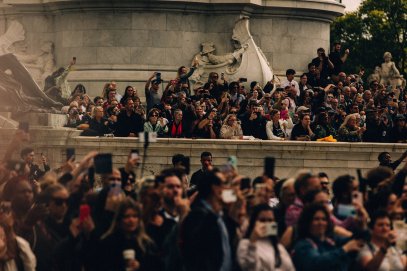
Supporters of Egypt's Muslim Brotherhood candidate Mohamed Morsy celebrate in Tahrir square after the Brotherhood claimed victory in the presidential vote. June 18, 2012.

Egypt recently carried out its first democratic presidential election in the country’s history. But five days after the vote, the question of who won remains a matter of contention. The contest pitted a former military man who had served in the regime of ousted president Hosni Mubarak against a leader of the regime’s longtime foes, the Muslim Brotherhood.

Most observers believe the most votes went to Mohamed Morsy, the candidate of the Muslim Brotherhood’s Freedom and Justice Party (FJP). The party claims a 1.2 million vote lead over Ahmed Shafik, the former military man and Mubarak prime minister. Shafik, however, says he has 500,000 more votes than Morsy. And with the official results still pending, the tension is rising as Egyptians wait to find out which candidate—if any—is telling the truth.

The presence of Egypt’s decidedly undemocratic military in its fledgling democratic process has only added to the atmosphere of uncertainty. Shortly after the polls closed on Sunday night, the junta, which has ruled Egypt since Mubarak stepped down, issued a decree that served to dramatically limit the powers of the incoming president. Just a few days before, the country’s constitutional court had moved to dissolve Egypt’s first democratically elected parliament—which had been dominated by the Muslim Brotherhood. And analysts say this latest decree seems tailor made to limit the impact of a Brotherhood win at the polls.

The Islamists have reacted to the pressure with a show of popular force; taking to Cairo’s Tahrir Square every night since, as the country awaits the electoral outcome. So far, the demonstrations have been largely symbolic. But they could turn violent if Shafik is declared the winner—an outcome that the Islamists have already said would be the product of electoral fraud.

Abigail Hauslohner is TIME’s Cairo correspondent.

Yuri Kozyrev is a contract photographer for TIME and was named the 2011 Photographer of the Year in the Pictures of the Year International competition.

Related Topics: , , , , , , , , , , , ,

Latest Posts

TOPSHOTS-ISRAEL-ULTRA-ORTHODOX-JEWS-BELZ-WEDDING

Pictures of the Week: May 17 – May 24

From deadly tornadoes in the Midwest and the final week of the Cannes Film Festival to a wheelchair beauty contest in Moscow and the U.S. Naval Academy's storied freshman initiation, TIME presents the best pictures of the week.

Read More
Saudi citizens rest after presenting Saudi Billionaire HRH Prince al Waleed bin Talal with petitions for his help at a desert camp outside of Riyadh, in Saudi Arabia, February 27, 2013.   Like many families across Saudi Arabia who are barely scraping above the poverty line each month, many poor Saudis rely on the hope of the charity of others to survive. (Credit: Lynsey Addario/ VII)

Rich Nation, Poor People: Saudi Arabia by Lynsey Addario

USA. Illinois. Chicago. 1948. An alley between overcrowded tenements, with garbage thrown over the railings of the back porches. Most of the area's tenants were transient. Contact email:New York : photography@magnumphotos.comParis : magnum@magnumphotos.frLondon : magnum@magnumphotos.co.ukTokyo : tokyo@magnumphotos.co.jpContact phones:New York : +1 212 929 6000Paris: + 33 1 53 42 50 00London: + 44 20 7490 1771Tokyo: + 81 3 3219 0771Image URL:http://www.magnumphotos.com/Archive/C.aspx?VP3=ViewBox_VPage&IID=2S5RYDI201Y8&CT=Image&IT=ZoomImage01_VForm

In Memoriam: Wayne Miller (1918 – 2013)