In the Factory of Dreams: Behind the Scenes on Telenovelas

© Stefan Ruiz
© Stefan Ruiz
Daniel Cortés, CEA, Televisa Acting School, 2003; from The Factory of Dreams (Aperture 2012)

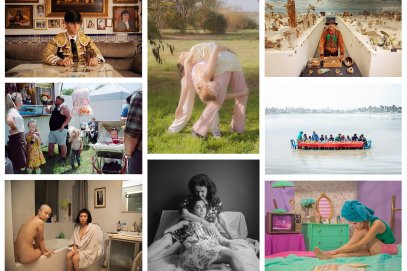
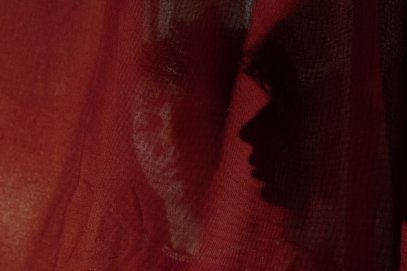
A woman in a white shirt poses seductively on a plush bed. Across the hall, a handsome doctor stands tall, stethoscope hung loosely around his neck. No, this isn’t a scene from Fifty Shades of Gray. It’s the stage set of the hotbed of telenovela production at the Televisa Studios in Mexico City—and the subject of a new photography collection named after it: The Factory of Dreams by San Francisco native artist Stefan Ruiz.

Televisa, the largest Spanish-language broadcaster in the world, produces nearly 50,000 hours-worth of telenovelas each year and exports them to about 50 countries. These soap operas hold a central place in Latin culture, arguably far more than their mainstream American counterparts. Ruiz had rare access to photograph the stars and sets of Televisa’s telenovelas for the past eight years.

Ruiz says he saw actors, sets and lighting as a fresh lens to examine issues of race, class and beauty that he’d previously examined with traditional documentary portraiture. “I was interested in the various types [of actors], and in how the definitions of beauty and class are often defined by race,” he explained in the book. “Generally, the stars look European. The maids do not. And the villains vary.”

The sets also provided Ruiz an ideal space to explore the concept of fame. “It was interesting that many of the telenovela actors were huge stars in much of the world, but virtually unknown in the U.S. and northern Europe,” he said.

Ruiz’s collection captures the stars in the moments between their public and personal lives. He exposes the “seams between fiction and reality” as an essayist in his book put it. Yes, his audience may enjoy the brief telenovela vignettes that accompany the photos. But fans will almost certainly love Ruiz’s subtle glimpse into the private lives of their stars.

So what did Ruiz find most fascinating about his close proximity to these stars? For one, the Televisa system resembled old-time Hollywood. The soaps were filmed quickly and big-name actors were on set much of the time. “Once I had access from Televisa, the stars were generally pretty accessible and were almost always up to being photographed as long as time permitted,” he says. “There were no agents or publicists on set.” The actors themselves were actually fairly down-to-Earth. “For years the film industry in Mexico was almost dead, and this was the only steady acting work around,” Ruiz notes. “I got the feeling that they were appreciative of their jobs.”

Stefan Ruiz is a photographer and San Francisco native. More of his work can be seen here. The book Factory of Dreams will be published June, 2012, by Aperture.

Related Topics: , , , , , , , , , , ,

Latest Posts

toutSUBOTZKY_Windows - Ponte City 1

Ponte City: An Apartheid-Era High Rise Mired in Myth

South African photographer Mikhael Subotzky and British artist Patrick Waterhouse set out to create an epic visual document exploring the long and complex history of Ponte City, the tallest residential skyscraper in Africa and a common symbol of apartheid.

Read More
Amy Toensing for The National Geographic

PJL: May 2013 (Part 2)

Palestinians react as a stun grenade was thrown towards them during clashes between Israeli security forces and Palestinian protestors for the Nakba day near Damascus Gate at Jerusalem's old city

Pictures of the Week: May 10 – May 17