The Protester: A Portfolio by Peter Hapak

Peter Hapak for TIME
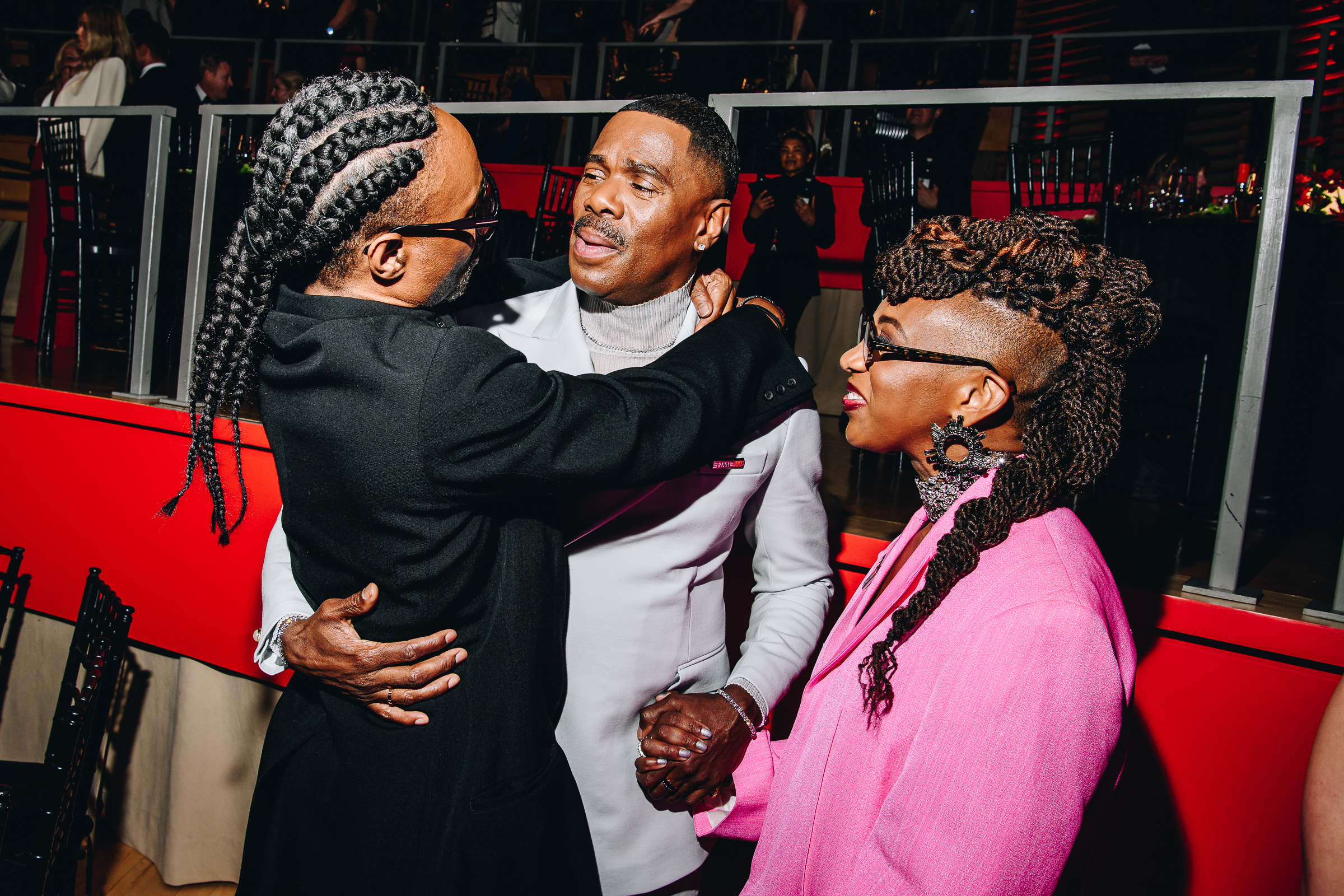
Mannoubia Bouazizi, the mother of Tunisian street vendor Mohamed Bouazizi, says, "Mohamed suffered a lot. He worked hard. But when he set fire to himself, it wasn’t about his scales being confiscated. It was about his dignity."

Ahmed Harara is a dentist. While protesting during the Egyptian revolution in January, he was struck in the eye by a rubber bullet. Blinded in that eye, he continued to protest. Then, during the November protests in Tahrir Square, Ahmed was shot in his other eye by a rubber bullet. Now he is completely blind.

But he kept protesting.

Harara is one of more than a hundred protesters around the world photographed by TIME contract photographer Peter Hapak. From Oakland, Calif., to New York City, across Europe and through the Middle East, Hapak and I traveled nearly 25,000 miles photographing protesters and activists from eight countries.

We photographed protesters representing Occupy Wall Street, Occupy Oakland, Occupy the Hood, Los Indignados of Spain, protesters in Greece, revolutionaries in Tunisia and Egypt, activists from Syria fleeing persecution, a crusader fighting corruption in India, Tea Party activists from New York, a renowned poet turned protester from Mexico and a protester from Wisconsin who carries a shovel, topped by a flag.

We set up makeshift studios in hotel rooms, apartments and people’s homes, inside a temple in rural India and an anarchist headquarters in Athens — even in the courtyard of the home of Mannoubia Bouazizi, the mother of Tunisian street vendor Mohamed Bouazizi. Tear gas wafted into our studio in a hotel room overlooking Tahrir Square — the same room where Yuri Kozyrev made a now iconic photograph of the crowd.

Each time, we asked subjects to bring with them mementos of protest. Rami Jarrah, a Syrian activist who fled to Cairo, brought his battered iPhone. He showed me some of the most intense protest footage I’ve ever seen. A Spanish protester named Stephane Grueso brought his iPhone too, referring to it as a “weapon.” Young Egyptian protesters brought rubber pellets that had been fired at them by security forces. Another brought a spent tear-gas canister. Subjects carried signs, flags and gas masks (some industrial ones, some homemade, like the one belonging to Egyptian graffiti artist El Teneen — his was made from a Pepsi can). A trio of Greek protesters brought Maalox. (Mixed with water, it was sprayed on their eyes to counter the harsh effects of tear gas.) Molly Katchpole, the young woman from Washington, D.C., who took on Bank of America — and won — brought her chopped-up debit card. Sayda al-Manahe brought a framed photograph of her son Hilme, a young Tunisian killed by police during the revolution. El Général, the Tunisian revolutionary rapper, brought nothing but his voice — he rapped a cappella for us (we have video). Lina Ben Mhenni, a blogger from Tunisia and a Nobel Peace Prize contender, brought her laptop. She spoke Arabic, yet we understood the words Facebook and Twitter.

Each subject was photographed in front of a white or black background — eliminating their environments but elevating their commonality to that of “Protester,” a fitting setup for a group of people united by a common desire for change.

“They were all unhappy. They wanted change, and they wanted a better life,” Hapak said. “Everybody is out there to unite their power for one common cause, one common expression: to get a better life.”

Witty is the international picture editor at TIME.

Hapak is a contract photographer for TIME, who most recently photographed Tilda Swinton for the Dec. 19, 2011, issue.

MORE: See the entire 2011 Person of the Year package here

Related Topics: , , , ,

Latest Posts

Lightbox May 20, 2012

Pictures of the Week: May 18 — May 25

From India's Sufi Muslim Urs Festival and the first intercontinental flight of the Solar Impulse to a suicide bombing of military soldiers in Sana'a and the beginning of Egypt's presidential election, TIME's photo department presents the best images of the week.

Read More
Anouk Kruithof

Analog Interactivity and the Photography of Anouk Kruithof

©TIME, Photograph by Douglas R. Gilbert—LOOK Magazine/Courtesy Library of Congress

Behind the Cover: The Unseen Photos of Lenore and Mitt Romney

  • kelly joyce

    2011 is the year of democracy in the world particulary in arabic countries.but don’t forget africa in congo democratic people are diying because they protest against elections. Congoleses. The goverment kill kidnap youngs protestators and rape womens.I don’t know if time magazine wrote an article on DRC. But when you choose the man of 2011 don’t forget somewhere in the midlle of africa and around the world there are certain protestators call congolese.

  • http://twitter.com/fernspoke Yukie yamada

    Time person of the year 2011- the protestor was chosen two days ago. see ak press distro for photos of protest port of oakland food import policy with encampment. flare shot error by police veteran shot. self publishing documentary noted. twitter.com/fernspoke maui

  • http://artworknote.wordpress.com artworknote

    Reblogged this on artworknote.com and commented:
    의미가 있는 사진인데 나는 의미는 안보이고 사진만 보인다. 정말 좋아하는 톤이다.

blog comments powered by Disqus
Powered by WordPress.com VIP