Insha’Allah: Morocco’s Changing Culture

John Francis Peters
John Francis Peters
In June, John Francis Peters spent five weeks in North Africa participating in an art-research project called Beyond Digital: Morocco.
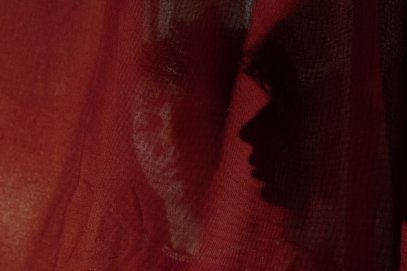
Meryem by the sea in Casablanca.

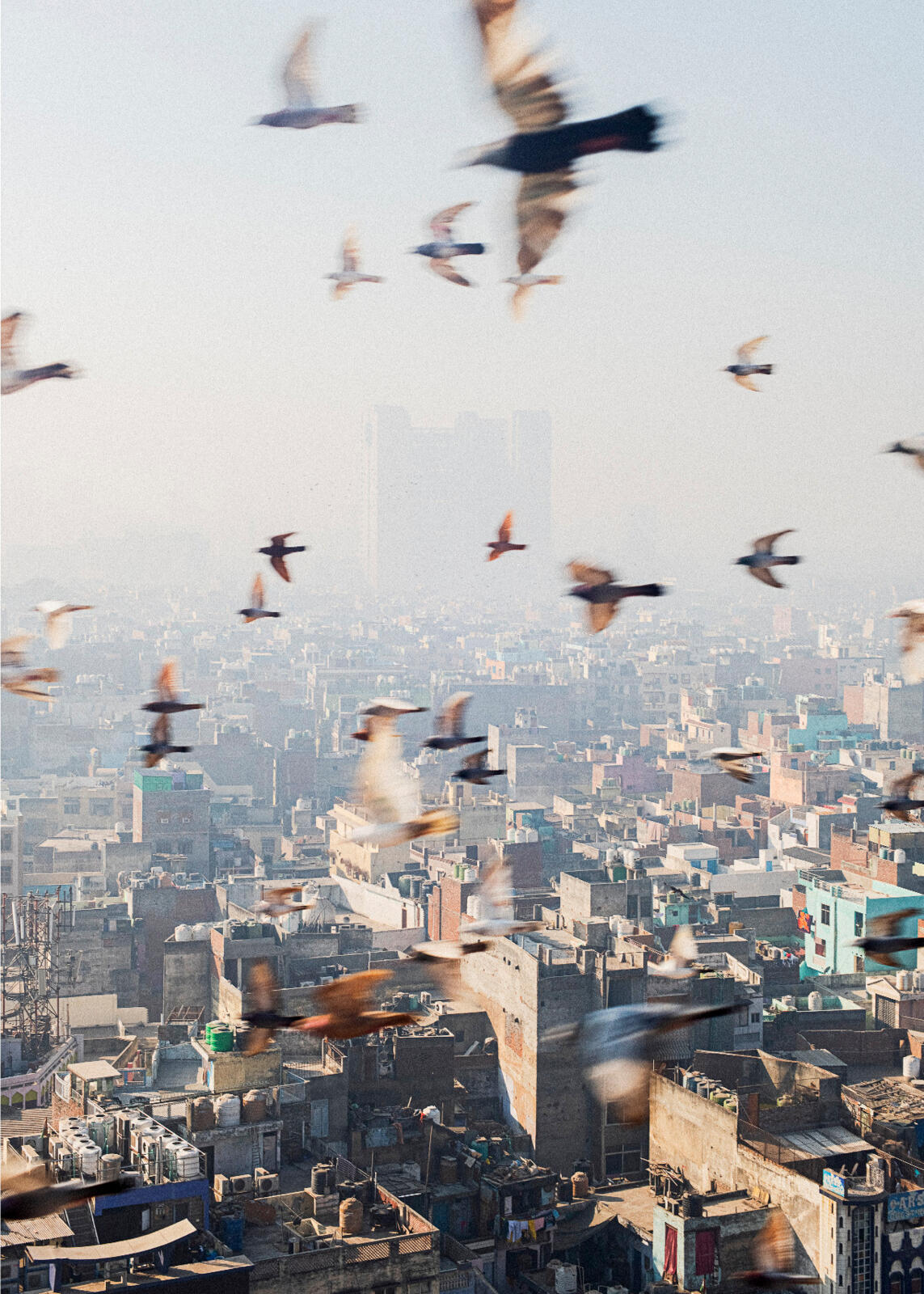
We reached a vast field just beyond Casablanca’s limit. Dusty trails wandered toward the center, where they crisscrossed then extended further outward toward mosques, half made tenement blocks and shanty towns. The sun felt metallic hot. Opaque echos of a single prayer call grazed us with the coming breeze. More began to rise, until the many voices braided the air around us. I watched and froze the sprawling urban panorama that vibrated behind heat waves, until the voices faded away.

This past June I spent five weeks in North Africa participating in an art-research project called Beyond Digital: Morocco. As a collaborative, experimental project, each of the seven multi-disciplined participants interpreted a core research theme centered around contemporary Moroccan music and the culture it emerges from. I used this evocative aspect of the culture as a guide to explore the country’s current landscape, both environmental and social.

Morocco is a landscape at the precipice. At the far western edge of the Muslim world, it is both a world unto itself and a historic doorway between Europe, the Middle East and Africa. These varied influences have woven themselves into a unique cultural fabric, marked with sharp contrasts. Today, Western cultural trends, international investment projects and sprawling urban development jostle together with the country’s Muslim and ancient Berber cultures. To this is added the pressing undertone of Morocco’s ambivalent position within the developing Arab Spring.

My goal was to make a series of images which would capture the concurrent dynamics of this contemporary Moroccan landscape. As a foreign artist, I wanted to seek the edges of the landscape that fell away from the ways Morocco is generally represented, allowing the landscape to recount its story through the image-making process. This photographic contribution was one of several media involved in the larger project, from documentary video shorts to software design, each offering its own artistic interpretation, thus creating a multi-faceted experiment in how art and cultural research can work in tandem.

John Francis Peters is a New York based photographer and photo editor.

Related Topics: , , , , , , ,

Latest Posts

Steve Ruark—AP

Honoring the Fallen: One Photographer’s Witness to 490 Dignified Transfers

Since April 2009, the Associated Press has sent a still photographer to every dignified transfer of servicemen and women killed in Iraq or Afghanistan open to the media. Most often it is freelancer Steve Ruark. To mark Memorial Day, TIME presents a gallery of the almost 500 transfers he has attended since 2009.

Read More
US-WEATHER-TORNADO

Pictures of the Week: May 17 – May 24

Saudi citizens rest after presenting Saudi Billionaire HRH Prince al Waleed bin Talal with petitions for his help at a desert camp outside of Riyadh, in Saudi Arabia, February 27, 2013.   Like many families across Saudi Arabia who are barely scraping above the poverty line each month, many poor Saudis rely on the hope of the charity of others to survive. (Credit: Lynsey Addario/ VII)

Rich Nation, Poor People: Saudi Arabia by Lynsey Addario